Run brokerage operations without patchwork systems
Codifi Back Office brings trades, client records, billing, ledgers, reconciliations, document workflows, and operational controls into one system. Teams get a cleaner daily workflow. Leadership gets visibility. Compliance gets a traceable audit trail.
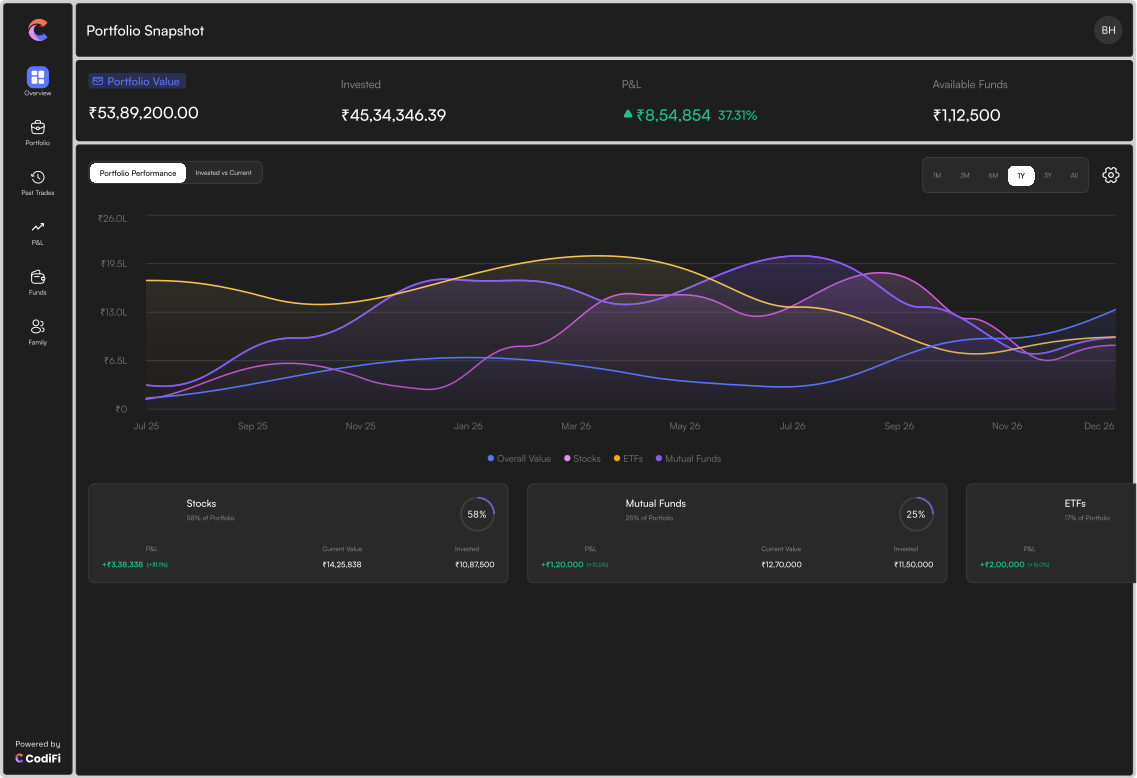
Trade processing
Ingest trade files, process operational updates, and keep daily execution data moving cleanly into downstream workflows.
Client records
Maintain a reliable client master with linked account data, branch ownership, status history, and supporting records.
Billing and ledgers
Manage charges, brokerage calculations, statement cycles, and ledger workflows with tighter operational control.
Document workflows
Handle contract notes, acknowledgements, proofs, signed records, and document access without chasing files manually.
Reconciliation
Track mismatches earlier, route exceptions faster, and reduce the time teams spend on repetitive follow-through.
Compliance-ready records
Keep structured records of actions, approvals, statuses, and changes so reviews do not start from scratch
Multi-branch coordination
Give branch teams, head office, and central operations a shared operating view instead of fragmented handoffs.
Operational visibility
Surface daily movement, stuck workflows, open tasks, and team-level bottlenecks before they become end-of-day issues.
Too many disconnected systems
Trades live in one place, client records in another, documents elsewhere, and exceptions get handled over calls and spreadsheets.
Manual follow-through becomes process
Teams end up relying on memory, personal tracking, and ad-hoc escalation instead of a system that carries the workflow.
Reconciliation gets delayed
When the operating trail is broken, mismatches surface late and resolving them takes longer than it should.
Leaders cannot see the real status
Without a shared view, management sees output after the fact, not the open risk, pending approvals, or workload pressure building underneath.
01
Capture operational input
Trade files, client data, and supporting records enter through a structured intake layer instead of scattered manual collection.
02
Apply workflow rules
Processing logic, branch ownership, review paths, and exception routing are defined up front so teams work from a system, not guesswork.
03
Route daily actions
Pending cases, mismatches, document checks, and approvals move to the right queues with the right context attached.
04
Keep records synchronized
Ledgers, billing, documents, and operational updates stay aligned so downstream teams are not fixing broken continuity.
05
Review and close with confidence
Management and compliance get visibility into status, action history, and open risk before the day is considered complete.
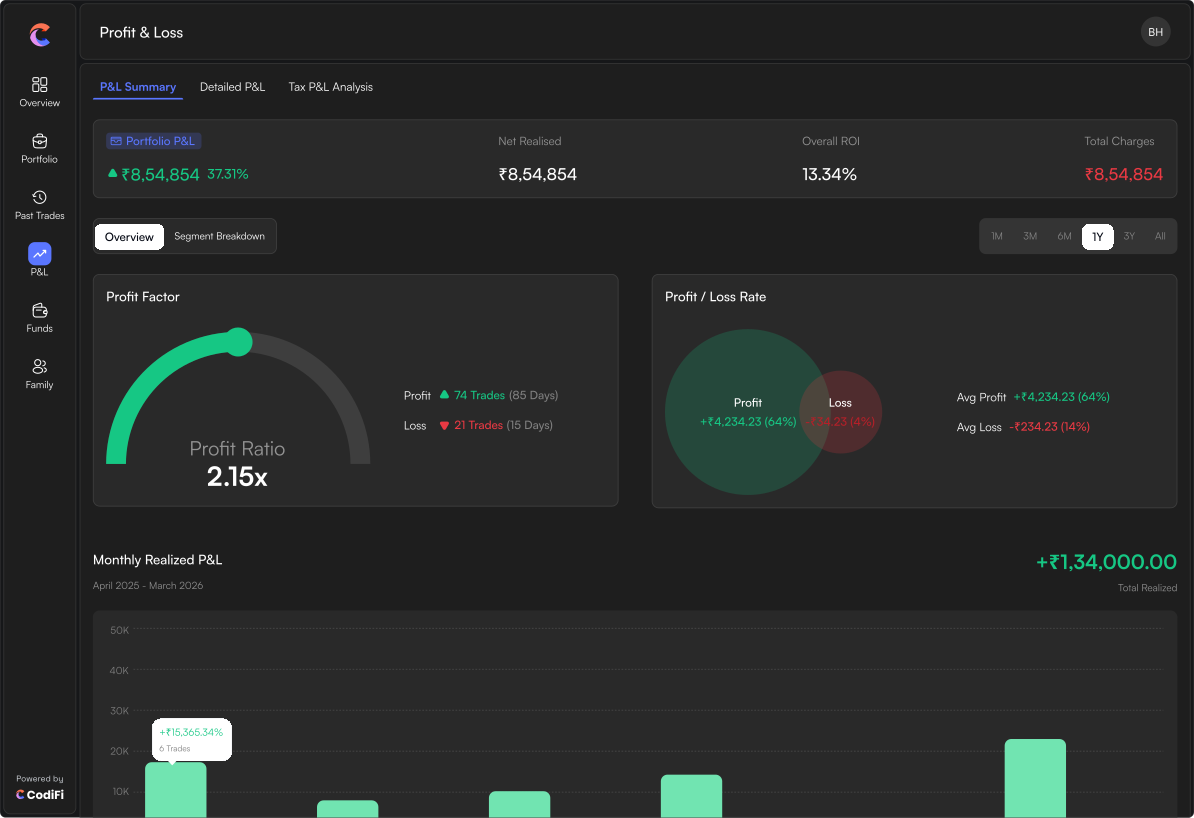
Operations
Move through daily tasks with better queue management, less context switching, and fewer manual checks.
Finance
Get tighter continuity between billing, ledger workflows, reconciliations, and open operational dependencies.
Compliance
Review cases with clear records, status history, and supporting actions already tied together.
Management
See where the day stands, where the bottlenecks are, and where manual intervention is rising.

“CodiFi elevated our ideas with tech that’s solid, simple, and reliable. Great service, client care, and perfect for any broking firm seeking top-tier solutions.”

Sidhavelayutham M

“CodiFi brought our “Pocket App” vision to life with smart, practical solutions and constant collaboration throughout the development process.”

Yuvaraj Singaravel

“CodiFi’s light trading app and Open APIs offer fast issue resolution and scalability. A top pick for brokers in Indian financial services. Highly recommended!”
Devanshu Motikhaye
“CodiFi’s middleware made it easy for our startup to connect with brokers. Reliable APIs, fast trades, and a smart, friendly team. Great experience!”

Maha Iyer

“Excellent experience with CodiFi. Their proactive team delivered a scalable solution exceeding expectations. A dependable technology partner.”

Vishwanath Raman

"CodiFi has been a key partner in helping Jainam scale efficiently, delivering scalable, high-quality solutions with strong performance and user focus."

Abhishek Mane
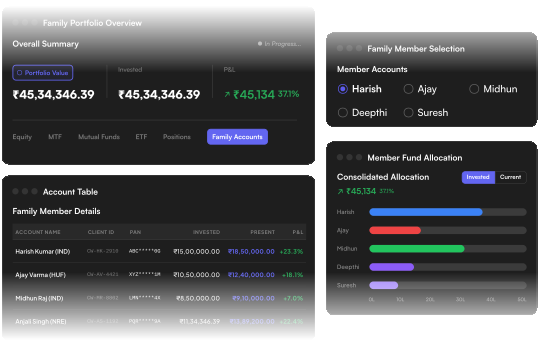
It is the operational system that brings together daily brokerage workflows like trade handling, client records, billing, ledgers, documents, and review paths.
Brokerage founders, operations heads, finance teams, compliance teams, and firms looking to replace fragmented operational processes with one cleaner system.
Yes. The platform is designed around operational rules, approvals, ownership logic, and exception handling that can be structured around your process.
It improves visibility into where mismatches arise, helps route issues earlier, and reduces the time lost in manual follow-up across teams.
Yes. The product is built to preserve action history, review paths, status movements, and record continuity so teams are not reconstructing events later.
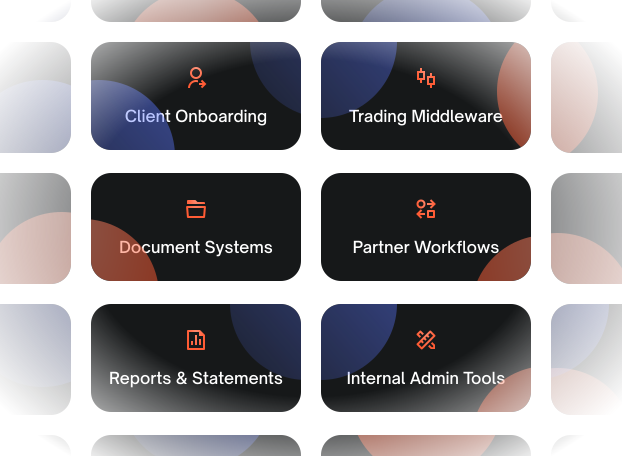
Yes. It can sit alongside related Codifi systems such as trading infrastructure, onboarding, partner workflows, and reporting layers.