.webp)

Reduce broker specific code paths and keep client apps stable.
Reduce broker specific code paths and keep client apps stable.
Peak readiness is throughput plus failure behavior.
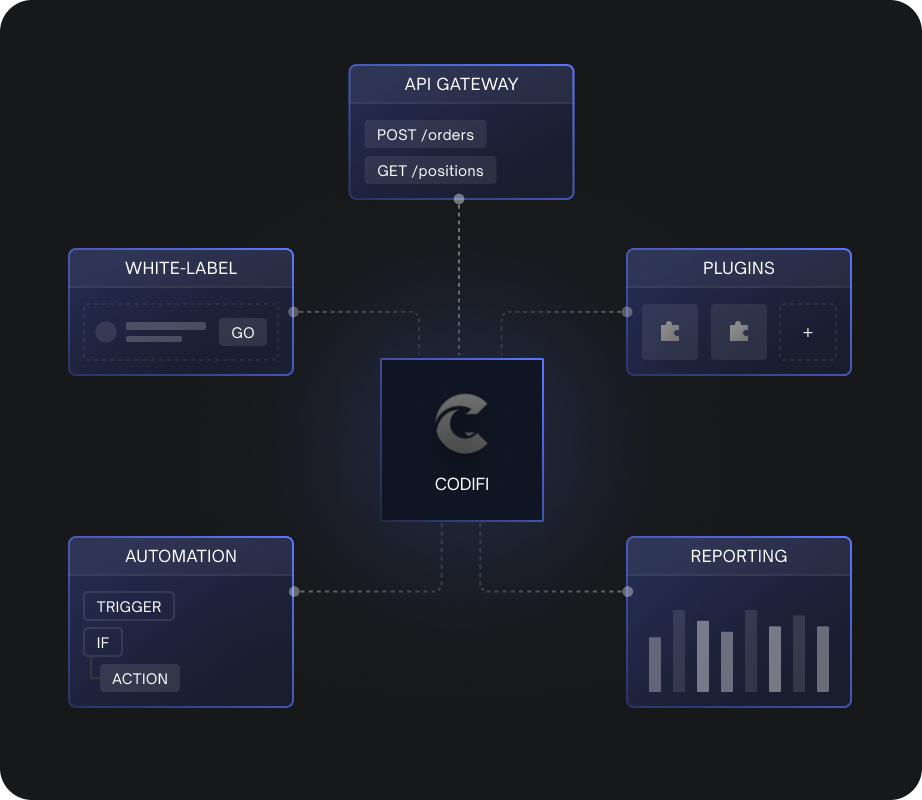
Keep the API surface stable while you add brokers, segments, and workflows.
The engine behind NinjaFox — containerised, cloud-ready middleware that handles 80%+ of OMS/RMS load.
Covers architecture, deployment, error handling, and extensibility for brokers building on top.

The backbone of the platform. Covers the full trade lifecycle from placing an order to tracking executions and
managing portfolio.

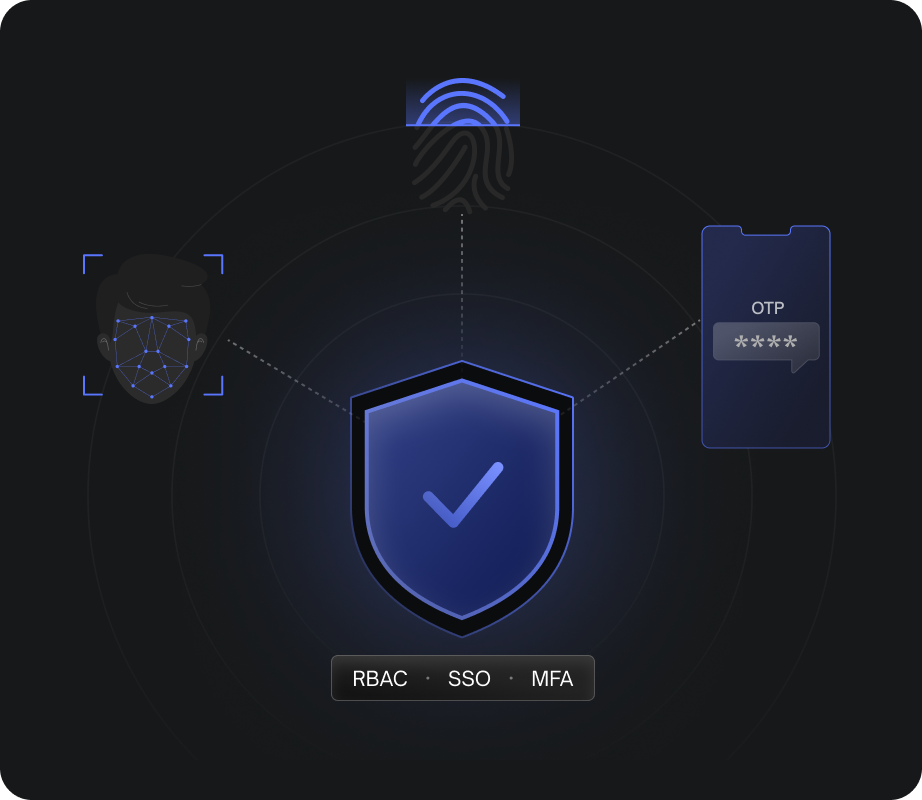
Multi-layered authentication designed for modern trading apps. Supports everything from password+OTP to
biometric login, QR scan, TOTP, SSO, and frictionless guest access — all with JWT-based session
management.


“CodiFi elevated our ideas with tech that’s solid, simple, and reliable. Great service, client care, and perfect for any broking firm seeking top-tier solutions.”

Sidhavelayutham M

“CodiFi brought our “Pocket App” vision to life with smart, practical solutions and constant collaboration throughout the development process.”

Yuvaraj Singaravel

“CodiFi’s light trading app and Open APIs offer fast issue resolution and scalability. A top pick for brokers in Indian financial services. Highly recommended!”
Devanshu Motikhaye

“CodiFi’s middleware made it easy for our startup to connect with brokers. Reliable APIs, fast trades, and a smart, friendly team. Great experience!”

Maha Iyer

“Excellent experience with CodiFi. Their proactive team delivered a scalable solution exceeding expectations. A dependable technology partner.”

Vishwanath Raman

"CodiFi has been a key partner in helping Jainam scale efficiently, delivering scalable, high-quality solutions with strong performance and user focus."

Abhishek Mane
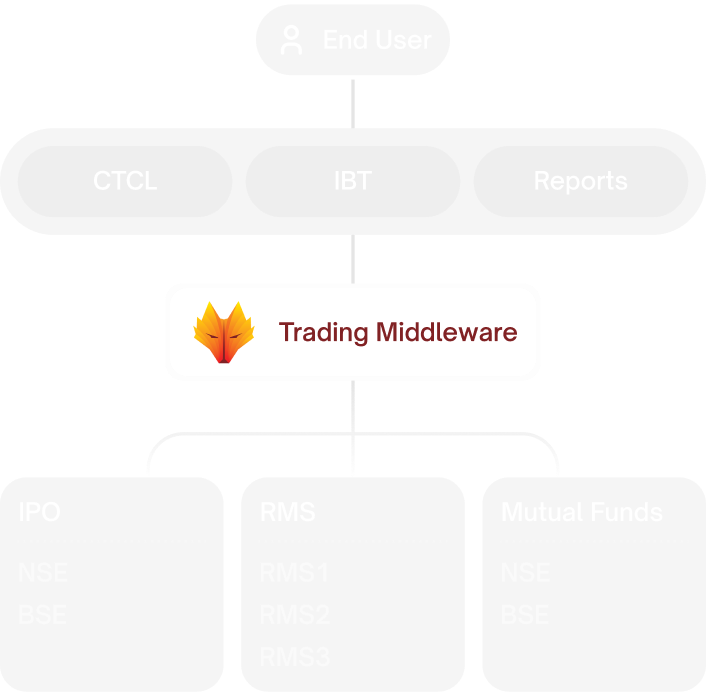
It standardizes the core trading layer behind one API boundary: orders, market data, funds, positions, holdings, and instrument reference data. The goal is to keep broker-specific complexity out of client applications.
It is built for platform and backend teams at brokers and asset managers that need to ship trading workflows, broker integrations, and client-facing trading experiences across Indian markets.
The public docs cover authentication, order placement, modification and cancellation, order book, trade book, margin checks, funds and limits, positions, holdings, and WebSocket-based order updates.
Yes. Codifi exposes real-time market data and a real-time order status feed over WebSocket. The docs also show webhook support for order updates.
The public docs list SSO, password plus OTP, TOTP, biometric login, and QR login. The main site also highlights multiple sign-in options including OTP, TOTP, biometric, and QR-based sign-in.
Yes. The page positions the middleware as a stable API surface while you add brokers, segments, and workflows over time. Codifi’s broader public product stack also includes options trading, eKYC, trading apps, and partner portal modules.